Quick answer: On 13 October 2026, the engine identified a GBP/JPY short opportunity during the London session. The trade was based on a bearish higher timeframe bias, buy-side liquidity sweep, and order block overlap. Despite the technical alignment, momentum failed to shift. The trade moved 19.8 pips in our favor before reversing, resulting in a full -1R loss when the stop was hit.

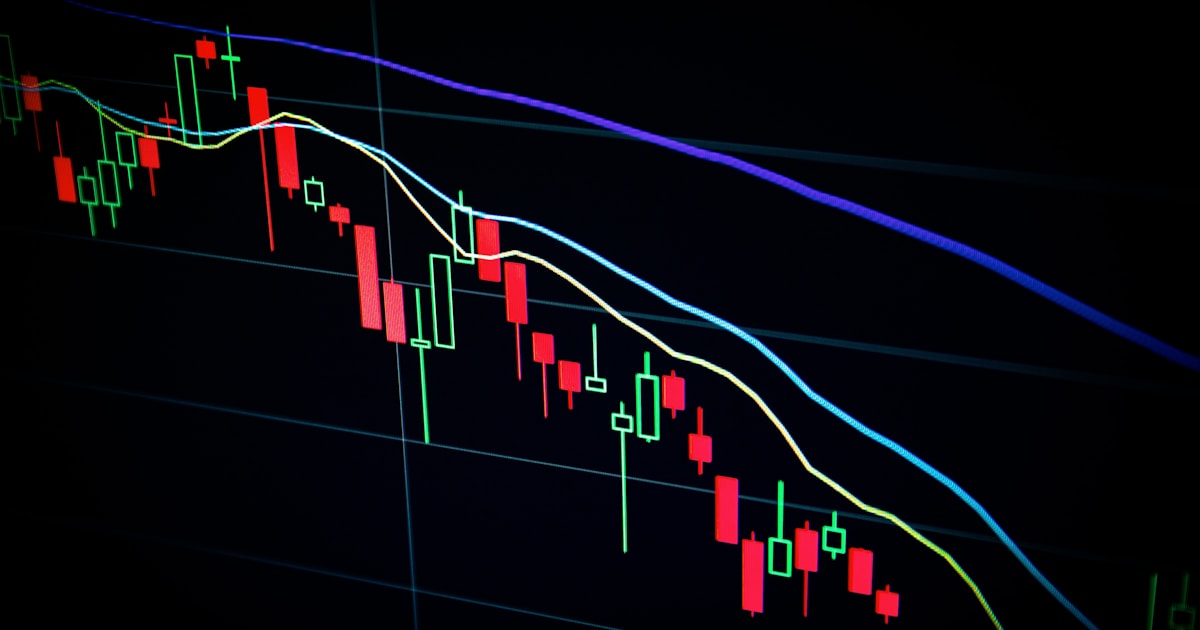
GBP/JPY SELL H1 chart with entry, stop and targets

*Real H1 chart: blue = entry, red = stop, green = TP1-TP3. Times in UTC.*

The setup: why the engine took it

The engine identified a short opportunity on GBP/JPY using the following SMC criteria:

* HTF bias bearish: The higher timeframe structure indicated a downward trend, providing the necessary directional context.

* Buy-side liquidity swept: The market had previously traded above a relative high to capture stop-loss orders before reversing, a classic liquidity sweep.

* CHoCH (Change of Character): The structure confirmed a shift from bullish to bearish order flow on the lower timeframe.

* Fair value gap (FVG): A zone of price imbalance was identified, suggesting a target for price to return to and fill.

* Order block overlap: The entry was placed at the confluence of the FVG and a bearish order block, acting as a resistance zone.

*Note:* This trade was executed under the legacy Smart Money engine rules, prior to the adoption of the updated five-check methodology implemented on 15 October 2026.

The trade plan

| Attribute | Value |

| :--- | :--- |

| Entry | 209.150 |

| Stop Loss | 210.017 |

| TP1 | 207.849 |

| TP2 | 206.982 |

| TP3 | 205.681 |

| Risk (pips) | 86.7 |

| Order Type | LIMIT |

| Session | London |

What happened

| Time | Event |

| :--- | :--- |

| 13 Oct 09:00 | Trade filled at 209.150 |

| 14 Oct 00:00 | Stop loss touched at 210.017 |

| 14 Oct 01:00 | Trade closed |

Following the entry at 09:00, the trade never gained significant bearish traction. Price failed to reach the first take-profit level. The position remained open for 16 hours before the stop loss was triggered during the early hours of the next day.

Result

The trade resulted in a full stop-out. With the stop loss set at 86.7 pips, the final result was -1R, or -86.7 pips. As the trade did not hit the first take-profit target, no portion of the position was closed early, and the stop-loss remained at its original level throughout the duration of the trade.

What this trade teaches

* Limited follow-through: The best move in our favor was only 19.8 pips, or 0.23R. This highlights that even when SMC confluences are present, price may not immediately respect the order block.

* Extended duration: Being in a trade for 16 hours without hitting a target often increases the risk of market volatility, as seen here where the stop was touched overnight.

* Execution risk: This case study serves as a reminder that the shift from the old engine rules to the five-check system on 15 October 2026 was essential to filter out setups that lack sufficient immediate momentum.

Frequently asked questions

Why was the stop loss not moved to entry?

The stop loss is only moved to entry once the first take-profit (TP1) target is reached. In this trade, price never reached the TP1 level, meaning the full risk remained active until the stop-loss order was hit.

Did the market condition change during the 16 hours?

The market traded within a 86.7 pip range relative to our stop loss. While the trade was active for 16 hours, the price action remained insufficient to trigger our targets, eventually oscillating back to hit the stop loss level of 210.017.

How does this loss affect the overall weekly performance?

Every trade, including this -1R loss, is documented in the weekly results. Losses are an expected component of the signal engine's performance. By documenting these alongside wins, we provide a complete, transparent view of the engine's behavior under various market conditions.

Every signal, win or lose, is on the record: weekly results · how the signals are built · today's signals · get free signals.

*Educational only, not financial advice. Past results do not guarantee future results.*

Blog | Tebotechsignals
Skip to main content
GBP/JPY Sell Case Study (13 Oct 2026): SMC Setup Failure, SL -1R
case studies
October 27, 2026

TebotechSignals Research Team

Institutional FX Analysts · ICT Smart Money Concepts Specialists

GBP/JPY Sell Case Study (13 Oct 2026): SMC Setup Failure, SL -1R

Analyzing a GBP/JPY short signal from 13 October 2026 that triggered a stop loss. We break down the entry logic, trade performance, and key lessons.

#GBP/JPY
#SMC
#Forex
#TradingLoss
#CaseStudy

📘 Reading Price Like the Big Players

Liquidity, order blocks and market structure — explained in plain English. Just $10.00.

Get It

📘 Trading Without the Drama

Fixing risk management, discipline and misinformation — explained in plain English. Just $10.00.

Get It
🎯
Sponsored · Keller, TX

Great Trades Deserve Great Cake 🍰

Quick answer: On 13 October 2026, the engine identified a GBP/JPY short opportunity during the London session. The trade was based on a bearish higher timeframe bias, buy-side liquidity sweep, and order block overlap. Despite the technical alignment, momentum failed to shift. The trade moved 19.8 pips in our favor before reversing, resulting in a full -1R loss when the stop was hit.

GBP/JPY SELL H1 chart with entry, stop and targets

Real H1 chart: blue = entry, red = stop, green = TP1-TP3. Times in UTC.

The setup: why the engine took it

The engine identified a short opportunity on GBP/JPY using the following SMC criteria:

  • HTF bias bearish: The higher timeframe structure indicated a downward trend, providing the necessary directional context.
  • Buy-side liquidity swept: The market had previously traded above a relative high to capture stop-loss orders before reversing, a classic liquidity sweep.
  • CHoCH (Change of Character): The structure confirmed a shift from bullish to bearish order flow on the lower timeframe.
  • Fair value gap (FVG): A zone of price imbalance was identified, suggesting a target for price to return to and fill.
  • Order block overlap: The entry was placed at the confluence of the FVG and a bearish order block, acting as a resistance zone.

Note: This trade was executed under the legacy Smart Money engine rules, prior to the adoption of the updated five-check methodology implemented on 15 October 2026.

The trade plan

| Attribute | Value | | :--- | :--- | | Entry | 209.150 | | Stop Loss | 210.017 | | TP1 | 207.849 | | TP2 | 206.982 | | TP3 | 205.681 | | Risk (pips) | 86.7 | | Order Type | LIMIT | | Session | London |

What happened

| Time | Event | | :--- | :--- | | 13 Oct 09:00 | Trade filled at 209.150 | | 14 Oct 00:00 | Stop loss touched at 210.017 | | 14 Oct 01:00 | Trade closed |

Following the entry at 09:00, the trade never gained significant bearish traction. Price failed to reach the first take-profit level. The position remained open for 16 hours before the stop loss was triggered during the early hours of the next day.

Result

The trade resulted in a full stop-out. With the stop loss set at 86.7 pips, the final result was -1R, or -86.7 pips. As the trade did not hit the first take-profit target, no portion of the position was closed early, and the stop-loss remained at its original level throughout the duration of the trade.

What this trade teaches

  • Limited follow-through: The best move in our favor was only 19.8 pips, or 0.23R. This highlights that even when SMC confluences are present, price may not immediately respect the order block.
  • Extended duration: Being in a trade for 16 hours without hitting a target often increases the risk of market volatility, as seen here where the stop was touched overnight.
  • Execution risk: This case study serves as a reminder that the shift from the old engine rules to the five-check system on 15 October 2026 was essential to filter out setups that lack sufficient immediate momentum.

Frequently asked questions

Why was the stop loss not moved to entry?

The stop loss is only moved to entry once the first take-profit (TP1) target is reached. In this trade, price never reached the TP1 level, meaning the full risk remained active until the stop-loss order was hit.

Did the market condition change during the 16 hours?

The market traded within a 86.7 pip range relative to our stop loss. While the trade was active for 16 hours, the price action remained insufficient to trigger our targets, eventually oscillating back to hit the stop loss level of 210.017.

How does this loss affect the overall weekly performance?

Every trade, including this -1R loss, is documented in the weekly results. Losses are an expected component of the signal engine's performance. By documenting these alongside wins, we provide a complete, transparent view of the engine's behavior under various market conditions.

Every signal, win or lose, is on the record: weekly results · how the signals are built · today's signals · get free signals.

Educational only, not financial advice. Past results do not guarantee future results.

🎯
Sponsored · Keller, TX

Great Trades Deserve Great Cake 🍰

📲 Get Free Daily Signals on WhatsApp

Follow our free channel for daily market briefs, ICT signals, and SMC education — delivered straight to your WhatsApp.

Join Free →

Disclaimer: This site is an educational platform. All content — including courses, articles, and any market commentary — is for educational and informational purposes only and does not constitute financial, investment, or professional advice, a recommendation, or a solicitation to trade. It is general in nature and does not take into account your individual financial situation, objectives, or needs. All trading and investing involve risk of loss; past performance is not indicative of future results. Always conduct your own research and consult a licensed professional before making any financial decisions. Client and testimonial experiences may not be typical — individual results will vary. Full fee structure is disclosed on our Pricing page.

We use cookies for essential site functionality and, with your consent, for analytics and advertising (Google Analytics, Facebook, Bing) to understand traffic and improve TebotechSignals. See our Privacy Policy for details.