Fair Value Gap vs Imbalance: Are They the Same Thing?

Fair Value Gap vs Imbalance: Are They the Same Thing?

Meta Description: Are you confused by the terminology? We clarify the distinction between fair value gap vs imbalance to help you refine your ICT trading strategy.

In the fast-paced world of Smart Money Concepts (SMC), traders often hear terms used synonymously that, upon closer inspection, hold distinct technical definitions. When searching for the difference between a fair value gap vs imbalance, you might find contradictory advice. Many influencers treat them as identical, but for those seeking precision, the nuance lies in the relationship between price action and the underlying liquidity void.

Broadly, while both concepts describe an area of market inefficiency, they represent different stages of an algorithmic delivery. If you are struggling to spot these areas on your charts, you can see live SMC/ICT signals using this concept on our SMC trading signals page. By understanding the subtle technical separation between a gap and an imbalance, you can better predict where the market is likely to seek liquidity.

What is a Fair Value Gap?

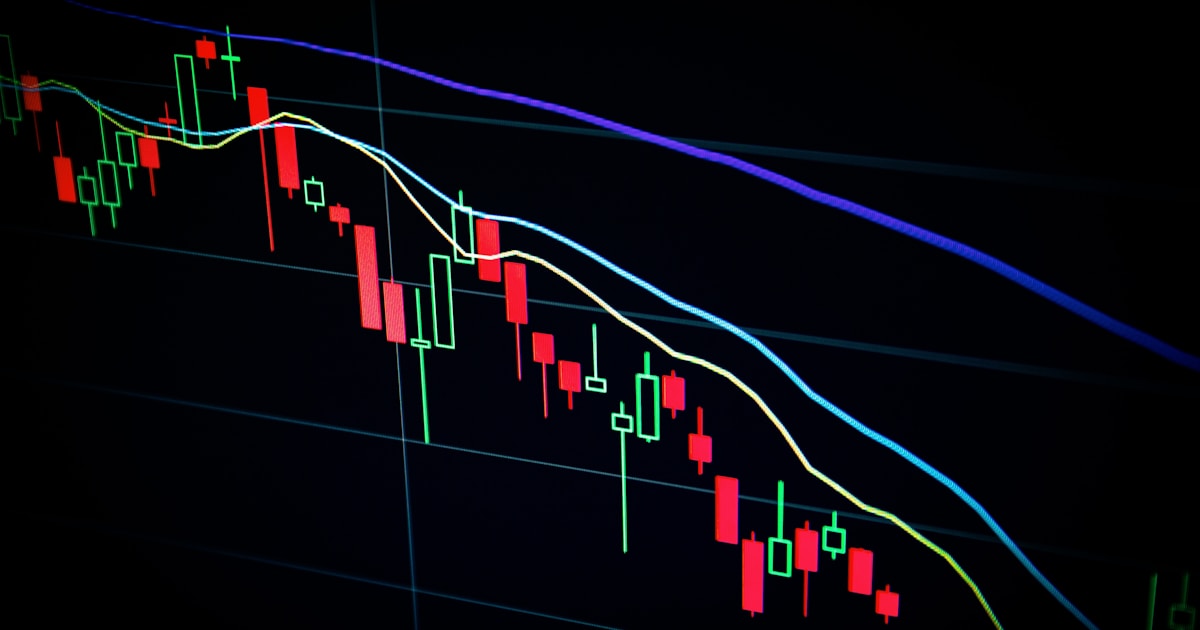
A Fair Value Gap (FVG) is a three-candle formation where the space between the wicks of the first and third candles remains unfilled by the second candle. It represents a temporary state of market inefficiency where price has moved too rapidly in one direction, leaving a "gap" that the algorithm will likely rebalance later.

To identify a true FVG, you must look at the wick of the first candle and the wick of the third candle. If there is a price range between these two points that the middle candle did not trade through, you have a formal FVG. It acts as a "magnetic" price level because the algorithm views this area as an unoptimized delivery of buy or sell orders. Unlike a traditional technical gap (like those seen in stocks), an FVG is a phenomenon occurring within continuous price data caused by aggressive institutional momentum.

What is an Imbalance?

An imbalance is the broader, macro-economic footprint of inefficient price delivery, which often manifests as a rapid, one-sided move where one side of the market (either buyers or sellers) is completely overwhelmed. While an FVG is the specific candle-based footprint of this inefficiency, the imbalance is the *result* of the aggressive order flow itself.

Think of an imbalance as a "void" in liquidity. When institutional participants enter large positions, they may bypass the opposing side’s resting orders, creating a vacuum. This void creates a price action signature that lacks two-way participation. An imbalance can encompass multiple candles and is not restricted to the rigid three-candle geometry of an FVG. In essence, the FVG is the visual measurement, while the imbalance is the state of the market environment.

How do they compare?

To keep these terms straight, refer to the following comparison:

| Feature | Fair Value Gap (FVG) | Imbalance |

| :--- | :--- | :--- |

| Structure | Rigid 3-candle pattern. | Fluid, can span multiple candles. |

| Definition | A specific price void within candles. | A state of one-sided order flow. |

| Function | Used as an entry or stop level. | Used to determine market bias/trend. |

| Permanence | Fills quickly once hit. | Can exist as a wide zone of inefficiency. |

Why does the distinction matter for your entries?

The distinction matters because conflating the two leads to poor trade management and "too early" entries. If you mistake a general zone of imbalance for a high-probability FVG, you might set your entry order in the middle of a massive, unrefined liquidity void.

A high-probability FVG provides a precise, narrow level for a tight stop-loss. Conversely, an imbalance zone is often too wide to trade without additional context. Professional traders use the FVG to define the exact point of "re-engagement" where the algorithm must return to satisfy the trapped orders. Relying on an imbalance without locating the specific FVG within it is akin to trying to hit a target with a shotgun instead of a sniper rifle. By isolating the FVG, you optimize your risk-to-reward ratio significantly.

How can you trade these gaps effectively?

Trading these gaps requires waiting for the "retest." The algorithm does not always return to an FVG immediately, but when it does, it often reacts with volatility. Look for confluence—such as the gap aligning with an Order Block or a Liquidity Sweep—to increase your win rate.

Avoid the temptation to chase price if it has already passed through the FVG. Once an FVG has been "closed" or "mitigated" (meaning price has traded back through the range), its status as a high-probability zone of interest is significantly diminished. The most effective strategy is to map out the FVGs during the early stages of a move and wait for the price to return to those levels during lower-volume sessions.

Related Reading

Related SMC guide

FAQ: Frequently Asked Questions

1. Can a Fair Value Gap exist without an Imbalance?

Technically, no. An FVG is the manifestation of an imbalance. If there is no imbalance in order flow, there would be no reason for the price to create a gap between candles, as buy and sell orders would be perfectly matched.

2. Should I trade every FVG I see on the chart?

No. Many FVGs are "low-probability." You should prioritize FVGs that align with the higher timeframe trend, occur after a liquidity sweep, or sit adjacent to institutional Order Blocks.

3. Does the timeframe matter for these concepts?

The principles are fractal. Whether you are on the 1-minute chart for scalping or the 4-hour chart for swing trading, an FVG represents an algorithmic vacuum. However, FVGs on higher timeframes generally carry more weight and attract more institutional volume.

4. How do I know when an FVG is "invalid"?

An FVG is considered invalid or "mitigated" as soon as the candle wicks fully traverse the space of the gap. Once the price has traded through the entire length of the FVG, the institutional order imbalance has been settled, and the area loses its structural significance.
Blog | Tebotechsignals
Skip to main content
XAU/USD2342.50
US3039245.00
NAS10017854.00
XAU/USD2342.50
US3039245.00
NAS10017854.00
Fair Value Gap vs Imbalance: Are They the Same Thing?
market commentary
September 1, 2026

TebotechSignals Research Team

Institutional FX Analysts · ICT Smart Money Concepts Specialists

Fair Value Gap vs Imbalance: Are They the Same Thing?

Fair Value Gap vs Imbalance: Are They the Same Thing? Meta Description: Are you confused by the terminology? We clarify the distinction between fair value gap vs imbalance to help you refine yo...

#SMC
#ICT
#topic_cluster
#fair
#value
#gap

📘 Reading Price Like the Big Players

Liquidity, order blocks and market structure — explained in plain English. Just $10.00.

Get It

📘 Trading Without the Drama

Fixing risk management, discipline and misinformation — explained in plain English. Just $10.00.

Get It
Sponsored · Keller, TX

Turn Your Profits Into Memories 🎉

Fair Value Gap vs Imbalance: Are They the Same Thing?

Meta Description: Are you confused by the terminology? We clarify the distinction between fair value gap vs imbalance to help you refine your ICT trading strategy.

In the fast-paced world of Smart Money Concepts (SMC), traders often hear terms used synonymously that, upon closer inspection, hold distinct technical definitions. When searching for the difference between a fair value gap vs imbalance, you might find contradictory advice. Many influencers treat them as identical, but for those seeking precision, the nuance lies in the relationship between price action and the underlying liquidity void.

Broadly, while both concepts describe an area of market inefficiency, they represent different stages of an algorithmic delivery. If you are struggling to spot these areas on your charts, you can see live SMC/ICT signals using this concept on our SMC trading signals page. By understanding the subtle technical separation between a gap and an imbalance, you can better predict where the market is likely to seek liquidity.

What is a Fair Value Gap?

A Fair Value Gap (FVG) is a three-candle formation where the space between the wicks of the first and third candles remains unfilled by the second candle. It represents a temporary state of market inefficiency where price has moved too rapidly in one direction, leaving a "gap" that the algorithm will likely rebalance later.

To identify a true FVG, you must look at the wick of the first candle and the wick of the third candle. If there is a price range between these two points that the middle candle did not trade through, you have a formal FVG. It acts as a "magnetic" price level because the algorithm views this area as an unoptimized delivery of buy or sell orders. Unlike a traditional technical gap (like those seen in stocks), an FVG is a phenomenon occurring within continuous price data caused by aggressive institutional momentum.

What is an Imbalance?

An imbalance is the broader, macro-economic footprint of inefficient price delivery, which often manifests as a rapid, one-sided move where one side of the market (either buyers or sellers) is completely overwhelmed. While an FVG is the specific candle-based footprint of this inefficiency, the imbalance is the result of the aggressive order flow itself.

Think of an imbalance as a "void" in liquidity. When institutional participants enter large positions, they may bypass the opposing side’s resting orders, creating a vacuum. This void creates a price action signature that lacks two-way participation. An imbalance can encompass multiple candles and is not restricted to the rigid three-candle geometry of an FVG. In essence, the FVG is the visual measurement, while the imbalance is the state of the market environment.

How do they compare?

To keep these terms straight, refer to the following comparison:

| Feature | Fair Value Gap (FVG) | Imbalance | | :--- | :--- | :--- | | Structure | Rigid 3-candle pattern. | Fluid, can span multiple candles. | | Definition | A specific price void within candles. | A state of one-sided order flow. | | Function | Used as an entry or stop level. | Used to determine market bias/trend. | | Permanence | Fills quickly once hit. | Can exist as a wide zone of inefficiency. |

Why does the distinction matter for your entries?

The distinction matters because conflating the two leads to poor trade management and "too early" entries. If you mistake a general zone of imbalance for a high-probability FVG, you might set your entry order in the middle of a massive, unrefined liquidity void.

A high-probability FVG provides a precise, narrow level for a tight stop-loss. Conversely, an imbalance zone is often too wide to trade without additional context. Professional traders use the FVG to define the exact point of "re-engagement" where the algorithm must return to satisfy the trapped orders. Relying on an imbalance without locating the specific FVG within it is akin to trying to hit a target with a shotgun instead of a sniper rifle. By isolating the FVG, you optimize your risk-to-reward ratio significantly.

How can you trade these gaps effectively?

Trading these gaps requires waiting for the "retest." The algorithm does not always return to an FVG immediately, but when it does, it often reacts with volatility. Look for confluence—such as the gap aligning with an Order Block or a Liquidity Sweep—to increase your win rate.

Avoid the temptation to chase price if it has already passed through the FVG. Once an FVG has been "closed" or "mitigated" (meaning price has traded back through the range), its status as a high-probability zone of interest is significantly diminished. The most effective strategy is to map out the FVGs during the early stages of a move and wait for the price to return to those levels during lower-volume sessions.

Related Reading

Related SMC guide

FAQ: Frequently Asked Questions

1. Can a Fair Value Gap exist without an Imbalance? Technically, no. An FVG is the manifestation of an imbalance. If there is no imbalance in order flow, there would be no reason for the price to create a gap between candles, as buy and sell orders would be perfectly matched.

2. Should I trade every FVG I see on the chart? No. Many FVGs are "low-probability." You should prioritize FVGs that align with the higher timeframe trend, occur after a liquidity sweep, or sit adjacent to institutional Order Blocks.

3. Does the timeframe matter for these concepts? The principles are fractal. Whether you are on the 1-minute chart for scalping or the 4-hour chart for swing trading, an FVG represents an algorithmic vacuum. However, FVGs on higher timeframes generally carry more weight and attract more institutional volume.

4. How do I know when an FVG is "invalid"? An FVG is considered invalid or "mitigated" as soon as the candle wicks fully traverse the space of the gap. Once the price has traded through the entire length of the FVG, the institutional order imbalance has been settled, and the area loses its structural significance.

Sponsored · Keller, TX

Turn Your Profits Into Memories 🎉

📲 Get Free Daily Signals on WhatsApp

Follow our free channel for daily market briefs, ICT signals, and SMC education — delivered straight to your WhatsApp.

Join Free →

Disclaimer: This site is an educational platform. All content — including courses, articles, and any market commentary — is for educational and informational purposes only and does not constitute financial, investment, or professional advice, a recommendation, or a solicitation to trade. It is general in nature and does not take into account your individual financial situation, objectives, or needs. All trading and investing involve risk of loss; past performance is not indicative of future results. Always conduct your own research and consult a licensed professional before making any financial decisions. Client and testimonial experiences may not be typical — individual results will vary. Full fee structure is disclosed on our Pricing page.

We use cookies for essential site functionality and, with your consent, for analytics and advertising (Google Analytics, Facebook, Bing) to understand traffic and improve TebotechSignals. See our Privacy Policy for details.