What Is an Order Block in Forex? The Complete SMC Guide (2026)

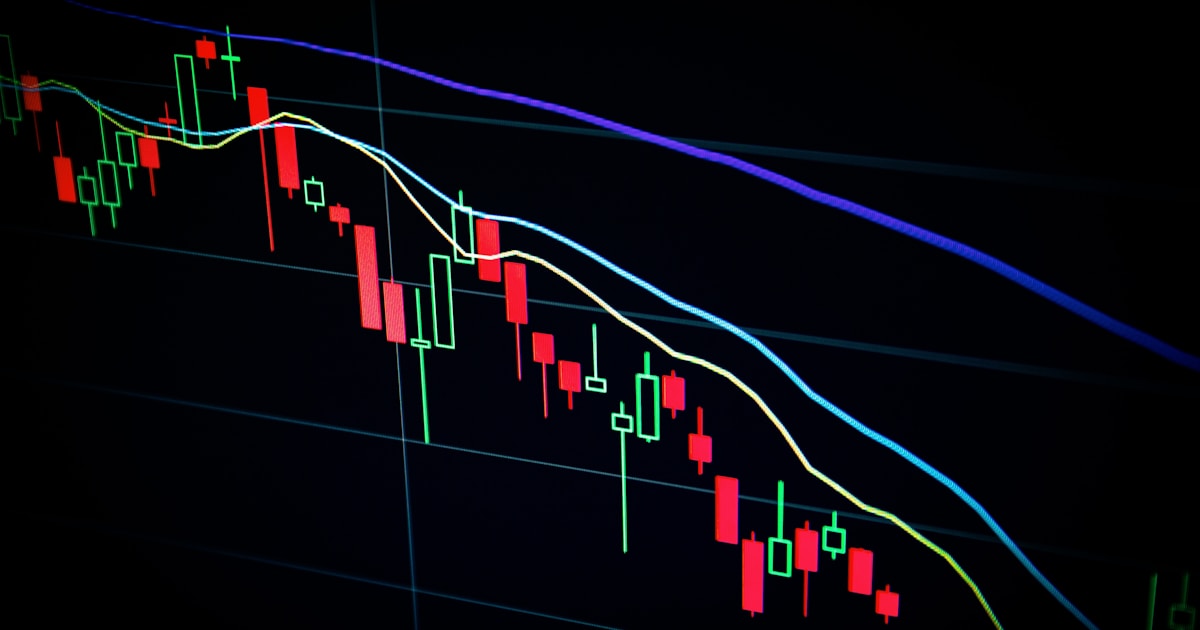
TL;DR: An order block in forex is the last opposite-colored candlestick before a strong impulsive move that breaks market structure. A bullish order block is the last bearish (down) candle before a strong bullish impulse. A bearish order block is the last bullish (up) candle before a strong bearish impulse. Order blocks represent zones where institutions placed large orders, and price tends to return to these zones before continuing the move.

What Is an Order Block?

An order block is a specific price zone on a forex chart where institutional traders — banks, hedge funds, and market makers — placed significant buy or sell orders before a strong impulsive price move. The order block is identified as the last candlestick of the opposite color before the impulse that broke market structure.

How to Identify an Order Block

To identify a bullish order block:

To identify a bearish order block:

Bullish vs Bearish Order Blocks

| Type | Definition | Location | Trade Direction |

|------|-----------|----------|-----------------|

| Bullish OB | Last bearish candle before bullish impulse | Below current price | BUY |

| Bearish OB | Last bullish candle before bearish impulse | Above current price | SELL |

Why Do Order Blocks Work?

Order blocks work because institutions cannot execute their entire position in a single trade — they build positions over time. The last opposite candle before an impulse represents the final accumulation/distribution point. When price returns to this zone, institutions defend their positions by placing more orders in the same direction, causing price to react.

How to Trade Order Blocks

Step 1: Identify the higher timeframe (HTF) bias — is the market bullish or bearish on H4/D1?

Step 2: Find an order block that aligns with the HTF bias

Step 3: Wait for price to return to the order block zone

Step 4: Look for a rejection signal (pin bar, engulfing candle, lower timeframe CHoCH)

Step 5: Enter with stop loss below the order block (for buys) or above (for sells)

Step 6: Target the next liquidity pool (equal highs/lows)

What Makes a High-Quality Order Block?

A high-quality order block has these characteristics:

Common Order Block Mistakes

Order Block vs Fair Value Gap (FVG)

| Feature | Order Block | Fair Value Gap |

|---------|------------|----------------|

| Definition | Last opposite candle before impulse | 3-candle imbalance |

| Formation | Single candle | Three candles |

| Purpose | Entry zone | Price delivery target |

| How to trade | Wait for return + rejection | Wait for return + fill |

| Confluence | OB + FVG overlap = highest probability | |

When an order block and FVG overlap at the same price zone, this creates the highest-probability entry in SMC trading.


*Learn order blocks and the complete SMC system: Free SMC Academy → Complete SMC Guide $9.99 → Live Signals $5/mo*

*⚠️ Trading involves substantial risk. This content is for educational purposes only. Past performance does not guarantee future results.*

Blog | Tebotechsignals
Skip to main content
XAU/USD2342.50
US3039245.00
NAS10017854.00
XAU/USD2342.50
US3039245.00
NAS10017854.00
What Is an Order Block in Forex? The Complete SMC Guide (2026)
market commentary
September 19, 2026

TebotechSignals Research Team

Institutional FX Analysts · ICT Smart Money Concepts Specialists

What Is an Order Block in Forex? The Complete SMC Guide (2026)

An order block in forex is the last opposite-colored candlestick before a strong impulsive move. This complete guide explains how to identify, trade, and avoid common mistakes with order blocks in SMC trading. Includes bullish vs bearish OB comparison and how OBs differ from Fair Value Gaps.

#order_blocks
#SMC
#ICT
#smart_money_concepts
#trading_guide
#AEO
#forex_education
#2026

📘 Reading Price Like the Big Players

Liquidity, order blocks and market structure — explained in plain English. Just $10.00.

Get It

📘 Trading Without the Drama

Fixing risk management, discipline and misinformation — explained in plain English. Just $10.00.

Get It
🏆
Sponsored · Keller, TX

Celebrate Your Next Win With a Custom Cake 🎂

What Is an Order Block in Forex? The Complete SMC Guide (2026)

TL;DR: An order block in forex is the last opposite-colored candlestick before a strong impulsive move that breaks market structure. A bullish order block is the last bearish (down) candle before a strong bullish impulse. A bearish order block is the last bullish (up) candle before a strong bearish impulse. Order blocks represent zones where institutions placed large orders, and price tends to return to these zones before continuing the move.

What Is an Order Block?

An order block is a specific price zone on a forex chart where institutional traders — banks, hedge funds, and market makers — placed significant buy or sell orders before a strong impulsive price move. The order block is identified as the last candlestick of the opposite color before the impulse that broke market structure.

How to Identify an Order Block

To identify a bullish order block:

  1. Find a strong bullish impulse move that breaks the previous swing high (BOS)
  2. Look at the last bearish (red) candlestick before that impulse
  3. That candlestick's range is your bullish order block
  4. Draw a zone from the candle's high to low
  5. Wait for price to return to this zone and show rejection

To identify a bearish order block:

  1. Find a strong bearish impulse move that breaks the previous swing low (BOS)
  2. Look at the last bullish (green) candlestick before that impulse
  3. That candlestick's range is your bearish order block
  4. Draw a zone from the candle's high to low
  5. Wait for price to return to this zone and show rejection

Bullish vs Bearish Order Blocks

| Type | Definition | Location | Trade Direction | |------|-----------|----------|-----------------| | Bullish OB | Last bearish candle before bullish impulse | Below current price | BUY | | Bearish OB | Last bullish candle before bearish impulse | Above current price | SELL |

Why Do Order Blocks Work?

Order blocks work because institutions cannot execute their entire position in a single trade — they build positions over time. The last opposite candle before an impulse represents the final accumulation/distribution point. When price returns to this zone, institutions defend their positions by placing more orders in the same direction, causing price to react.

How to Trade Order Blocks

Step 1: Identify the higher timeframe (HTF) bias — is the market bullish or bearish on H4/D1? Step 2: Find an order block that aligns with the HTF bias Step 3: Wait for price to return to the order block zone Step 4: Look for a rejection signal (pin bar, engulfing candle, lower timeframe CHoCH) Step 5: Enter with stop loss below the order block (for buys) or above (for sells) Step 6: Target the next liquidity pool (equal highs/lows)

What Makes a High-Quality Order Block?

A high-quality order block has these characteristics:

  • The impulse move after the OB broke market structure (BOS)
  • The OB has not been touched/mitigated yet (fresh OB)
  • The OB aligns with the higher timeframe trend
  • The OB is in the discount zone (for buys) or premium zone (for sells)
  • Volume was elevated during the impulse (confirming institutional participation)

Common Order Block Mistakes

  1. Trading every OB — Only trade order blocks that caused a BOS (broke structure)
  2. Ignoring HTF bias — Don't buy at a bullish OB if the HTF trend is bearish
  3. Entering without confirmation — Wait for a rejection signal, don't just blindly enter
  4. Using OBs on low timeframes — M1/M5 order blocks are noise; use H1/H4/D1
  5. Not checking for mitigation — If price already touched the OB, it's no longer fresh

Order Block vs Fair Value Gap (FVG)

| Feature | Order Block | Fair Value Gap | |---------|------------|----------------| | Definition | Last opposite candle before impulse | 3-candle imbalance | | Formation | Single candle | Three candles | | Purpose | Entry zone | Price delivery target | | How to trade | Wait for return + rejection | Wait for return + fill | | Confluence | OB + FVG overlap = highest probability | |

When an order block and FVG overlap at the same price zone, this creates the highest-probability entry in SMC trading.


Learn order blocks and the complete SMC system: Free SMC Academy → Complete SMC Guide $9.99 → Live Signals $5/mo

⚠️ Trading involves substantial risk. This content is for educational purposes only. Past performance does not guarantee future results.

🏆
Sponsored · Keller, TX

Celebrate Your Next Win With a Custom Cake 🎂

📲 Get Free Daily Signals on WhatsApp

Follow our free channel for daily market briefs, ICT signals, and SMC education — delivered straight to your WhatsApp.

Join Free →

Disclaimer: This site is an educational platform. All content — including courses, articles, and any market commentary — is for educational and informational purposes only and does not constitute financial, investment, or professional advice, a recommendation, or a solicitation to trade. It is general in nature and does not take into account your individual financial situation, objectives, or needs. All trading and investing involve risk of loss; past performance is not indicative of future results. Always conduct your own research and consult a licensed professional before making any financial decisions. Client and testimonial experiences may not be typical — individual results will vary. Full fee structure is disclosed on our Pricing page.

We use cookies for essential site functionality and, with your consent, for analytics and advertising (Google Analytics, Facebook, Bing) to understand traffic and improve TebotechSignals. See our Privacy Policy for details.