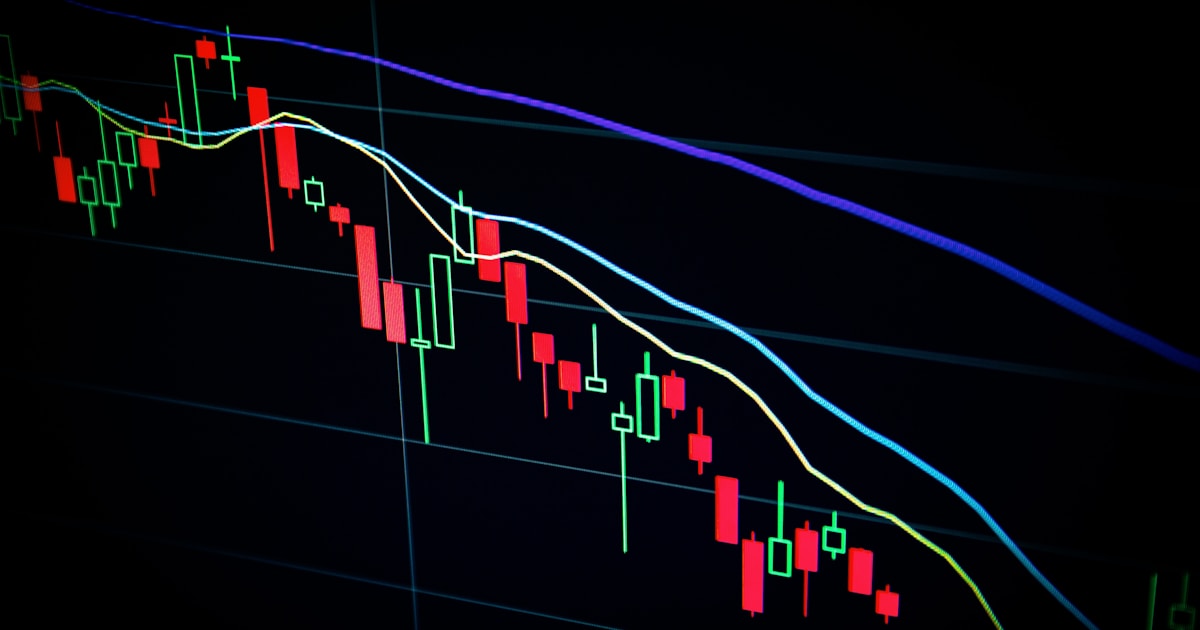
SMC Case Study 2: NZD/USD SELL +55 Pips — The Inducement Trap
TL;DR: NZD/USD dropped 55 pips after an inducement pattern at 0.5880. Bearish order block at 0.5890–0.5905, FVG at 0.5860–0.5870, equal highs at 0.5900 acted as BSL magnet. This case study shows how institutions trap retail buyers before reversing.
Trade Summary
| Field | Value |
|-------|-------|
| Pair | NZD/USD |
| Direction | SELL |
| Timeframe | H4 |
| Date | September 8, 2026 |
| Confluence | 8/10 |
| Entry | 0.5880 |
| Stop Loss | 0.5920 |
| TP1 | 0.5830 |
| TP2 | 0.5790 |
| TP3 | 0.5750 |
| R:R | 1:3.3 |
| Result | +55 pips ✅ |
SMC Analysis
1. Structure: Continuation (HTF Bearish)
NZD was the weakest major currency. YTD +2.5% but losing momentum. Uptrend support broken on H4.
2. Order Block: Bearish OB at 0.5890–0.5905
Unmitigated bearish order block — the last bullish H4 candle before the bearish impulse. This zone had not been tested since the break.
3. Fair Value Gap (FVG): Bearish at 0.5860–0.5870
A 3-candle imbalance where price moved too fast downward, leaving a gap. Price naturally seeks to fill FVGs on retracements.
4. Liquidity: Inducement Pattern
- BSL: Above 0.5900 (equal highs + round number)
- SSL: Below 0.5830 and 0.5750
- Price was rallying toward BSL to trap buyers before continuation lower
5. Volume & Bias
Volu-Smart 7/10, distribution. HTF bearish. Kill Zone: NY session (commodity currencies active).
What Went Right
This is a textbook inducement pattern. Equal highs at 0.5900 acted as a buy-side liquidity magnet — institutions pushed price up to trigger buy stops before reversing. The FVG at 0.5860–0.5870 provided the imbalance zone that price naturally sought to fill on the way down. Entry on rejection from OB zone at 0.5880 caught the reversal perfectly.
Key Takeaway
Inducement patterns are one of the highest-probability SMC setups. When you see equal highs above an unmitigated bearish OB, expect a sweep up before the real move down. Wait for the rejection — don't short into the sweep.
Q: What is an inducement in SMC?
A: A minor liquidity pool (usually equal highs/lows) that institutions push price toward to trigger stops before the real move. It's the "bait" before the trap.
Q: What is a Fair Value Gap (FVG)?
A: A 3-candle imbalance where price moves too fast, leaving a gap between candles. Price eventually returns to fill these gaps, making them high-probability entry zones.
⚠️ Trading involves significant risk. Past performance does not guarantee future results.