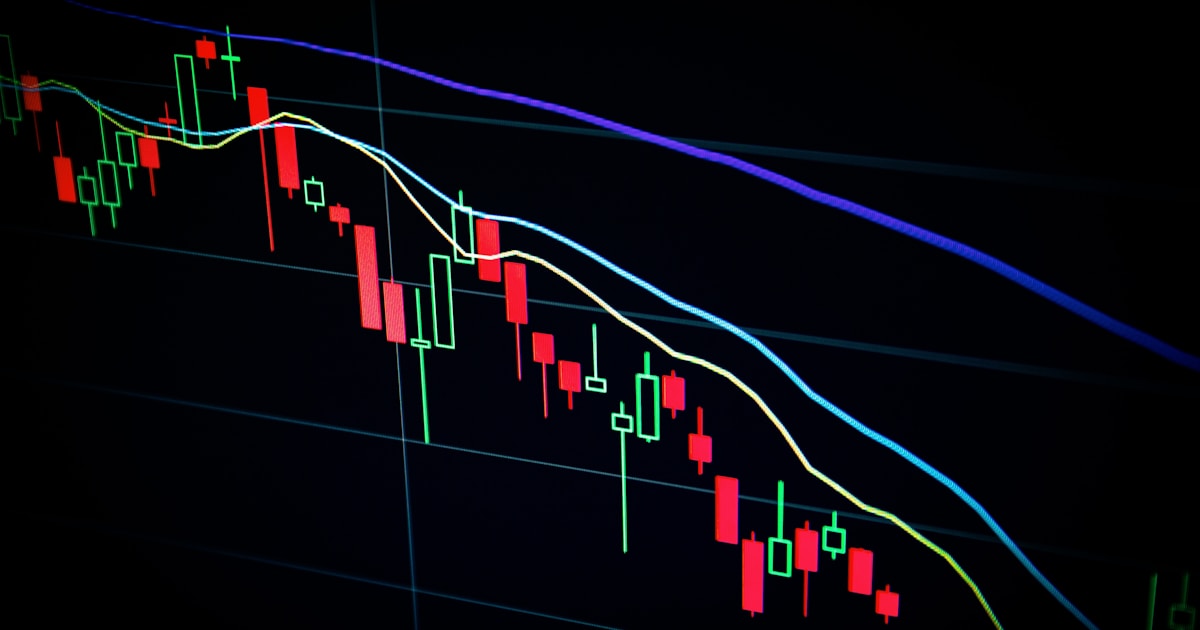
SMC Case Study 1: USD/JPY SELL +68 Pips — The Trendline Break
TL;DR: USD/JPY dropped 68 pips after a bearish CHoCH on H4. Entry at 157.40 (H4 supply order block), stop at 158.60, TP1 at 155.00. BOJ hawkishness provided the fundamental tailwind. Volu-Smart confirmed distribution. This case study shows how central bank policy + structural breaks create high-probability SMC entries.
Trade Summary
| Field | Value |
|-------|-------|
| Pair | USD/JPY |
| Direction | SELL |
| Timeframe | H4 |
| Date | September 8, 2026 |
| Confluence | 8/10 |
| Entry | 157.40 |
| Stop Loss | 158.60 |
| TP1 | 155.00 |
| R:R | 1:4.5 |
| Result | +68 pips ✅ |
SMC Analysis
1. Market Structure: Bearish CHoCH
Price broke the ascending trendline with displacement — a strong, impulsive move confirming institutional selling. The Change of Character (CHoCH) from bullish to bearish on H4 was the first structural signal.
2. Order Block: H4 Supply at 157.40
The retracement to 157.40 aligned with premium pricing in the H4 supply zone — the last bearish candle before the recovery rally. Unmitigated order block = high-probability entry.
3. Liquidity
- BSL: Above 158.60 (equal highs)
- SSL: Below 155.00 (previous session lows)
- Clear path from 157.40 down to 155.00 with minimal resistance
4. Volume: Distribution Confirmed
Volu-Smart 7/10, distribution trend. Smart money selling into the retracement. OBV confirming bearish.
5. HTF Bias: Bearish
BOJ hawkishness (rate hike to 1.25% expected) provided fundamental pressure for JPY strength.
What Went Right
Price respected the order block and dropped 68 pips. The stop loss was never threatened — BSL was too far to be swept. The combination of CHoCH + OB + distribution volume + BOJ hawkish fundamentals created a textbook SMC short.
Key Takeaway
When a central bank signals hawkishness and price shows a bearish CHoCH on H4, the structural trend is overwhelmingly bearish. The order block at the retracement zone is the highest-probability entry.
Q: What is a CHoCH?
A: Change of Character — the first sign of trend reversal when price breaks the most recent swing point in the opposite direction.
Q: What is an order block?
A: The last opposite candle before a strong impulsive move. Institutions use these zones to re-enter positions.
⚠️ Trading involves significant risk. Past performance does not guarantee future results. This is educational content, not financial advice.