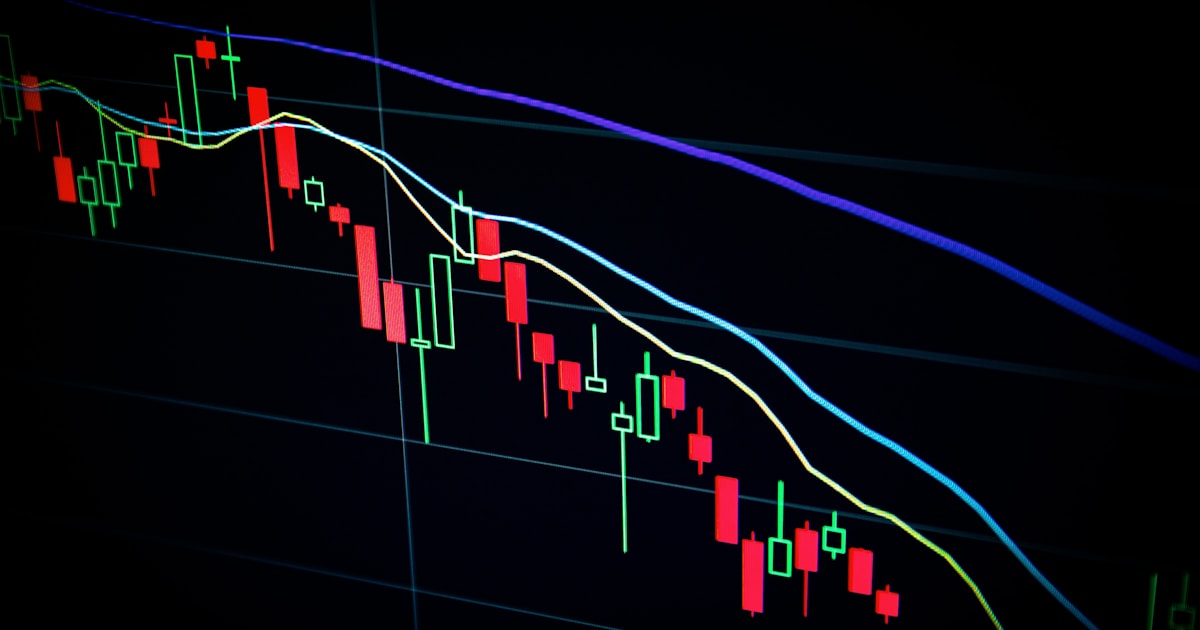
Reading market pricing of a rate hike means figuring out what probability traders have already baked into prices before the central bank even meets. You do this by comparing interest rate futures or overnight index swap (OIS) pricing against the current policy rate, then watching how a currency reacts to the actual decision versus that expectation. The move you see on the day is almost always about the gap between what was priced and what was delivered, not the hike itself.

What does "priced in" actually mean?

"Priced in" means the market has already adjusted the exchange rate, bond yields, and interest rate derivatives to reflect what most traders expect the central bank to do at its next meeting or two.

If the market is 80% certain a central bank will hike by 25 basis points, that expectation is already sitting inside the currency's price well before the announcement.

This is why a currency can actually fall on a rate hike. If the hike was fully expected and the central bank's forward guidance is less hawkish than hoped, the "surprise" is on the dovish side, and that is what the market trades.

So the real question is never just "will they hike," it is "how does the actual outcome compare with what was already priced."

Where do traders actually find this pricing?

Traders find rate expectations in interest rate futures, overnight index swaps, short-dated government bond yields, and central bank rate probability tools published by exchanges and data providers.

None of these tools are perfect, and they each tell you something slightly different, so it helps to know what you're looking at.

| Tool | What it shows you | Best used for | Main limitation |

|---|---|---|---|

| Interest rate futures (e.g. Fed Funds futures) | Implied probability of a hike, hold, or cut at specific meetings | Quick read on US rate expectations | US-specific, needs translation for other central banks |

| OIS (overnight index swap) rates | Market-implied path of the policy rate over coming months | Comparing expectations across multiple currencies | Less intuitive for beginners, needs a data terminal or broker feed |

| 2-year government bond yield | Rough proxy for where rates are expected to average over the next two years | Fast comparison between two countries | Also moves on growth and inflation fears, not rates alone |

| CME-style FedWatch-type tools | Simplified probability percentages for the next meeting | Checking consensus before a known event | Mostly US-focused, similar tools vary in quality elsewhere |

You do not need all four. Most independent traders pick one or two and track them consistently around meeting dates.

How do I compare pricing between two currencies?

You compare pricing by looking at the expected rate path for each central bank and watching the gap between them, because currency pairs trade on relative expectations, not absolute ones.

For example, if the market expects the Fed to hold rates and the ECB to cut, that growing rate differential tends to support the dollar against the euro, all else equal.

This relative view is exactly what a yield spread and central bank positioning dashboard is built to track, since watching one currency's rate path in isolation misses half the picture.

What happens when the decision doesn't match the pricing?

When the actual decision differs from what was priced, you usually get a sharp, fast repricing as positions adjust, and that move can be far larger than the move around a fully expected outcome.

Example (hypothetical numbers):

This is a textbook case of "buy the rumour, sell the news." The hike was priced in days earlier; the forward guidance was not, and that's what moved the pair.

How does institutional positioning fit into this?

Institutional positioning data tells you how large speculators and commercial hedgers are already positioned relative to the pricing story, which helps you judge how crowded a trade might be.

If everyone is already long a currency expecting more hikes, and the central bank then under-delivers, the unwind can be violent simply because so many traders are on the same side.

This is one reason it's worth cross-checking rate expectations against weekly COT positioning data rather than trading the rate story in isolation. If you want a deeper walkthrough of the COT report itself, this guide to reading the COT report for forex trading breaks down the categories and how to interpret them.

How do I use this without overtrading the news?

You use this by checking pricing ahead of known events, deciding in advance what outcome would surprise the market, and sizing any resulting trade small, because rate-decision volatility can move stops that looked reasonable an hour earlier.

A simple process:

Trading forex and gold carries a high risk of loss, and that risk is amplified around central bank announcements, so position sizing matters more on these days, not less.

For traders in Lagos, Johannesburg, Accra, or Nairobi, most major central bank decisions (Fed, ECB, BoE) land during the London or New York sessions, which fall in the afternoon and evening local time across West and East Africa, so you'll want to check your local clock against the announcement time rather than assume it lines up with your usual morning session.

If you'd rather see how this analysis translates into actual setups, the free forex signals page and the broader education section walk through how macro pricing and technical entries are combined in practice.

Frequently asked questions

Is rate pricing the same as a prediction of what will happen?

No, it's a probability-weighted market consensus, not a guarantee, and central banks regularly diverge from what futures or OIS markets imply.

Why did a currency fall even though the central bank hiked rates?

This usually happens when the hike itself was already priced in and the accompanying guidance turned out more dovish, more cautious, than traders expected.

Do I need expensive data terminals to track this?

No, many brokers and free financial data sites publish rate probability tools and bond yield charts that are enough for retail-level analysis, especially when combined with free positioning resources like COT data.

Related reading

Blog | Tebotechsignals
Skip to main content
fundamental analysis
November 15, 2026

TebotechSignals Research Team

Institutional FX Analysts · ICT Smart Money Concepts Specialists

How to Read Market Pricing of Central Bank Rate Hikes

Learn how forex traders read market-implied rate hike probabilities, why 'priced in' moves currencies more than the decision itself, and how to use this with COT data.

#central banks
#macro
#forex education
#risk management

📘 Reading Price Like the Big Players

Liquidity, order blocks and market structure — explained in plain English. Just $10.00.

Get It

📘 Trading Without the Drama

Fixing risk management, discipline and misinformation — explained in plain English. Just $10.00.

Get It
🏆
Sponsored · Keller, TX

Celebrate Your Next Win With a Custom Cake 🎂

Reading market pricing of a rate hike means figuring out what probability traders have already baked into prices before the central bank even meets. You do this by comparing interest rate futures or overnight index swap (OIS) pricing against the current policy rate, then watching how a currency reacts to the actual decision versus that expectation. The move you see on the day is almost always about the gap between what was priced and what was delivered, not the hike itself.

What does "priced in" actually mean?

"Priced in" means the market has already adjusted the exchange rate, bond yields, and interest rate derivatives to reflect what most traders expect the central bank to do at its next meeting or two.

If the market is 80% certain a central bank will hike by 25 basis points, that expectation is already sitting inside the currency's price well before the announcement.

This is why a currency can actually fall on a rate hike. If the hike was fully expected and the central bank's forward guidance is less hawkish than hoped, the "surprise" is on the dovish side, and that is what the market trades.

So the real question is never just "will they hike," it is "how does the actual outcome compare with what was already priced."

Where do traders actually find this pricing?

Traders find rate expectations in interest rate futures, overnight index swaps, short-dated government bond yields, and central bank rate probability tools published by exchanges and data providers.

None of these tools are perfect, and they each tell you something slightly different, so it helps to know what you're looking at.

ToolWhat it shows youBest used forMain limitation
Interest rate futures (e.g. Fed Funds futures)Implied probability of a hike, hold, or cut at specific meetingsQuick read on US rate expectationsUS-specific, needs translation for other central banks
OIS (overnight index swap) ratesMarket-implied path of the policy rate over coming monthsComparing expectations across multiple currenciesLess intuitive for beginners, needs a data terminal or broker feed
2-year government bond yieldRough proxy for where rates are expected to average over the next two yearsFast comparison between two countriesAlso moves on growth and inflation fears, not rates alone
CME-style FedWatch-type toolsSimplified probability percentages for the next meetingChecking consensus before a known eventMostly US-focused, similar tools vary in quality elsewhere

You do not need all four. Most independent traders pick one or two and track them consistently around meeting dates.

How do I compare pricing between two currencies?

You compare pricing by looking at the expected rate path for each central bank and watching the gap between them, because currency pairs trade on relative expectations, not absolute ones.

For example, if the market expects the Fed to hold rates and the ECB to cut, that growing rate differential tends to support the dollar against the euro, all else equal.

This relative view is exactly what a yield spread and central bank positioning dashboard is built to track, since watching one currency's rate path in isolation misses half the picture.

What happens when the decision doesn't match the pricing?

When the actual decision differs from what was priced, you usually get a sharp, fast repricing as positions adjust, and that move can be far larger than the move around a fully expected outcome.

Example (hypothetical numbers):

  1. Before an ECB meeting, OIS pricing implies a 70% probability of a 25 basis point hike.

  2. The ECB delivers the hike exactly as expected.

  3. But the ECB's statement signals it may pause hikes going forward, which is more dovish than traders expected.

  4. EUR/USD drops 80 pips in the hour after the statement, even though the hike itself happened.

This is a textbook case of "buy the rumour, sell the news." The hike was priced in days earlier; the forward guidance was not, and that's what moved the pair.

How does institutional positioning fit into this?

Institutional positioning data tells you how large speculators and commercial hedgers are already positioned relative to the pricing story, which helps you judge how crowded a trade might be.

If everyone is already long a currency expecting more hikes, and the central bank then under-delivers, the unwind can be violent simply because so many traders are on the same side.

This is one reason it's worth cross-checking rate expectations against weekly COT positioning data rather than trading the rate story in isolation. If you want a deeper walkthrough of the COT report itself, this guide to reading the COT report for forex trading breaks down the categories and how to interpret them.

How do I use this without overtrading the news?

You use this by checking pricing ahead of known events, deciding in advance what outcome would surprise the market, and sizing any resulting trade small, because rate-decision volatility can move stops that looked reasonable an hour earlier.

A simple process:

  1. Check the implied probability for the upcoming decision a few days ahead, not minutes before.

  2. Write down what outcome is priced in and what would count as a genuine surprise.

  3. Check positioning data to see how crowded the expected trade already is.

  4. If you trade the event, risk a small, fixed percentage of your account, many traders use something around 0.5% per trade specifically because post-announcement volatility can be unpredictable.

  5. Avoid entering in the first few minutes of extreme volatility unless your plan specifically accounts for wider spreads and slippage.

Trading forex and gold carries a high risk of loss, and that risk is amplified around central bank announcements, so position sizing matters more on these days, not less.

For traders in Lagos, Johannesburg, Accra, or Nairobi, most major central bank decisions (Fed, ECB, BoE) land during the London or New York sessions, which fall in the afternoon and evening local time across West and East Africa, so you'll want to check your local clock against the announcement time rather than assume it lines up with your usual morning session.

If you'd rather see how this analysis translates into actual setups, the free forex signals page and the broader education section walk through how macro pricing and technical entries are combined in practice.

Frequently asked questions

Is rate pricing the same as a prediction of what will happen?

No, it's a probability-weighted market consensus, not a guarantee, and central banks regularly diverge from what futures or OIS markets imply.

Why did a currency fall even though the central bank hiked rates?

This usually happens when the hike itself was already priced in and the accompanying guidance turned out more dovish, more cautious, than traders expected.

Do I need expensive data terminals to track this?

No, many brokers and free financial data sites publish rate probability tools and bond yield charts that are enough for retail-level analysis, especially when combined with free positioning resources like COT data.

Share with a trader who needs this

🏆
Sponsored · Keller, TX

Celebrate Your Next Win With a Custom Cake 🎂

📲 Get Free Daily Signals on WhatsApp

Follow our free channel for daily market briefs, ICT signals, and SMC education — delivered straight to your WhatsApp.

Join Free →

Disclaimer: This site is an educational platform. All content — including courses, articles, and any market commentary — is for educational and informational purposes only and does not constitute financial, investment, or professional advice, a recommendation, or a solicitation to trade. It is general in nature and does not take into account your individual financial situation, objectives, or needs. All trading and investing involve risk of loss; past performance is not indicative of future results. Always conduct your own research and consult a licensed professional before making any financial decisions. Client and testimonial experiences may not be typical — individual results will vary. Full fee structure is disclosed on our Pricing page.

We use cookies for essential site functionality and, with your consent, for analytics and advertising (Google Analytics, Facebook, Bing) to understand traffic and improve TebotechSignals. See our Privacy Policy for details.