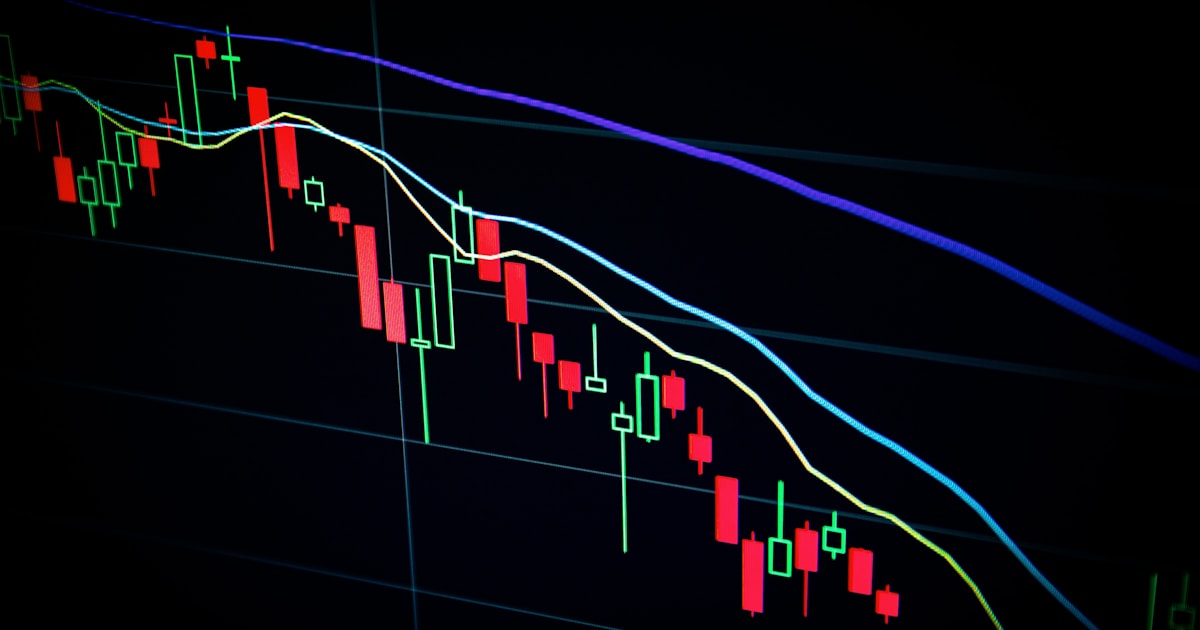
Antelope Enterprise Holdings (AEHL) has experienced significant price volatility, recently recording a substantial single-session gain followed by profit-taking. This movement appears largely driven by speculative trading and idiosyncratic factors rather than fundamental shifts in the company's telecommunications equipment or livestreaming business.
Why the Stock is Moving
AEHL has recently exhibited significant price volatility, frequently fluctuating within tight trading bands characterized by thin daily volumes. This technical profile, typical of equities trading under the $20 threshold, has made the stock a focal point for speculative momentum shifts. Market observers note that the sharp upward price movements recorded in recent sessions have been primarily driven by localized speculative interest rather than fundamental shifts in core business performance. These rapid gains have frequently been met with immediate, tactical pullbacks as short-term traders execute standard profit-taking maneuvers, further intensifying the oscillation of the share price.
Simultaneously, the company’s recent capital markets activity has served as a primary catalyst for price discovery. The implementation of a $100 million at-the-market (ATM) equity offering program has introduced structural supply-side considerations that weigh on investor sentiment. When combined with the dilutive impact of previous private placements documented on Dealroom.co, these capital raising initiatives often disrupt traditional valuation models for micro-cap entities. The current price action is therefore reflective of a complex interplay between retail-driven speculation and institutional caution regarding share count dilution. As liquidity remains constrained, the stock remains susceptible to outsized reactions to relatively minor volume shifts, necessitating a disciplined observation of order flow and secondary offering filings to gauge the sustainability of its current market positioning.
The Numbers That Matter
AEHL currently faces a challenging financial landscape as reflected in its most recent filings. The company reported trailing twelve-month (TTM) revenue of approximately $62.27 million, a figure representing a contraction compared to previous fiscal periods. This top-line pressure is compounded by persistent bottom-line deficits, with AEHL recording a TTM net income of -$13.54 million. These figures indicate ongoing difficulty in achieving operational scale and profitability.
Regarding the company’s capital structure, specific debt-to-equity ratios were not available from reliable public sources, making it difficult to assess the exact leverage profile relative to shareholder equity. However, the company maintains a small market capitalization, which inherently contributes to increased sensitivity to equity market fluctuations. Analysis of the firm's historical capital management reveals a consistent reliance on equity financing to fund daily operations and bridge cash flow gaps. This recurring dilution underscores the company's dependency on capital markets rather than internal cash generation to sustain its business model. As AEHL navigates this period, the combination of declining revenue and negative net income remains the focal point for institutional observation, particularly as the firm balances its operational requirements against limited liquidity buffers.
Risks to Watch
AEHL faces a multifaceted risk profile characteristic of micro-cap equities. A primary concern remains the company's sustained history of operating losses, which necessitates ongoing capital infusions to maintain liquidity. Consequently, the firm has frequently turned to dilutive financing mechanisms, including at-the-market offerings, which exert persistent downward pressure on existing shareholder equity. The thin float compounds this volatility, creating an environment where individual trade execution can disproportionately influence price action.
Technically, the stock exhibits a high beta coefficient, signaling heightened sensitivity to broader market fluctuations rather than company-specific fundamentals. This susceptibility is exacerbated by the firm's micro-cap status, which historically correlates with increased vulnerability to extreme price manipulation and sudden, sharp liquidity gaps during periods of market stress.
Governance and regulatory scrutiny also remain critical risk factors. The company’s historical reliance on reverse stock splits to maintain exchange listing requirements is a notable trend that warrants observation. These maneuvers, often utilized to regain compliance with minimum bid price mandates, underscore potential instability in long-term equity valuation. Investors should closely monitor future regulatory filings for indications of ongoing compliance challenges, as failure to adhere to exchange standards could lead to forced de-listing. These factors combined create an environment where fundamental volatility is amplified by structural capital market challenges.
The Macro Driver
AEHL operates within the consumer-facing technology and livestreaming infrastructure sectors, positioning it as highly sensitive to fluctuations in discretionary household spending. In the current economic environment, these firms are particularly vulnerable to interest rate cycles and persistent inflationary pressures, which dictate the liquidity available for speculative, growth-oriented equities. As central banks maintain restrictive monetary stances to address inflation, the cost of capital increases, disproportionately impacting companies that rely on debt financing or consistent equity dilution for operational scale.
Furthermore, consumer sentiment acts as a primary catalyst for firms within this vertical. When inflationary pressure erodes real wages, households typically prioritize essential goods over experiential or platform-based technology services. This shift in spending behavior exerts downward pressure on the growth metrics projected for livestreaming and consumer tech platforms. Investors currently monitor these macro conditions, as diminished consumer confidence traditionally correlates with reduced institutional investment inflows into high-volatility, sub-$20 assets. Consequently, while AEHL pursues its specific corporate objectives, its broader market performance remains tethered to these systemic macroeconomic variables. The availability of growth capital remains contingent upon stabilized interest rate environments, as any further tightening could exacerbate the scarcity of liquidity necessary to sustain the operational expenditure required by growth-stage tech firms in this specific segment.
What it Means for GBP/USD
The recent volatility surrounding consumer-facing equities under $20 serves as a critical barometer for broader market sentiment and growth expectations. When participants rotate capital out of speculative, growth-sensitive assets, it reflects a decisive shift toward a 'risk-off' environment. This reallocation of liquidity indicates that investors are prioritizing capital preservation over aggressive exposure, a transition that historically impacts global currency pairings.
In this climate, the US Dollar often gains traction as a primary safe-haven asset, benefiting from its role as the global liquidity standard. Conversely, the British Pound remains structurally sensitive to these shifts in risk appetite. As traders pivot away from growth-linked equities toward more stable, yield-bearing instruments, the GBP faces downward pressure. The current instability in smaller-cap growth stocks suggests that the market is recalibrating for higher volatility, which inherently limits the appetite for the Pound. Consequently, the currency pair often mirrors the broader flight to safety, with the USD strengthening as capital exits risk-exposed equity segments. Monitoring the velocity of this rotation provides insight into whether the current GBP/USD pressure is a temporary consolidation or a more sustained trend driven by a fundamental reassessment of global growth prospects and safe-haven demand.
Frequently asked questions
What is the primary business of AEHL?
Antelope Enterprise Holdings operates primarily in the livestreaming ecommerce sector through its Kylin Cloud platform, which connects influencers with consumer brands, alongside a smaller business management and consulting segment.
Why is AEHL considered a high-risk stock?
The stock is considered high-risk due to its history of net losses, reliance on dilutive equity offerings, thin trading float, and extreme price volatility that often decouples from broader sector performance.
Where can I find the latest financial reports for AEHL?
Financial data and SEC filings for AEHL are available through the company's investor relations portal, as well as standard financial data aggregators like S&P Global Market Intelligence.
Track it live
- See today's full list of liquid stocks under $20 and the AEHL data page.
- Read today's GBP/USD pair report and our current forex signals, built on higher-timeframe structure.
*Market research, not investment advice. Prices are delayed. Trading and investing carry a high risk of loss; past performance does not guarantee future results.*